
This annex emphasizes the need to integrate gender into waste management policies, as women’s roles are often overlooked despite their key contributions. Drawing on a UNEP-IETC webinar and country cases from Bhutan, Jamaica, Nepal, and Uruguay, it highlights challenges like lack of data and awareness, and shares strategies such as inclusive consultations, gender data collection, and partnerships with gender experts.
This report tracks finance flows for nature-based solutions and highlights how increased investment can drive ecosystem restoration worldwide.
UNEP-IETC has been actively supporting countries in advancing Extended Producer Responsibility (EPR) systems through regional workshops and knowledge-sharing efforts. Key good practices emerging from these initiatives include promoting eco-design, as seen in Argentina and Chile, where regulations incentivize environmentally responsible product design to improve recyclability and reduce waste. Social inclusion...
A case study from Uruguay on "How to Mainstream Gender into National Waste Management Policy" presented by Chiara Fioretto, Political Scientist, Ministry of Environment, Uruguay and Virginia Chiesa, Economist, Ministry of Environment, Uruguay at UNEP-IETC's webinar on gender and waste management policy on 28 November 2023.
A case study from Nepal on "How to Mainstream Gender into National Waste Management Policy" presented by Karuna Adhikaree, LEAD Nepal at UNEP-IETC's webinar on gender and waste management policy on 28 November 2023.
A case study from Jamaica on "How to Mainstream Gender into National Waste Management Policy" presented by Theresa Rodriguez-Moodie, Chief Executive Officer, Jamaica Environment Trust at UNEP-IETC's webinar on gender and waste management policy on 28 November 2023.
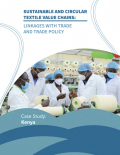
This case study examines the current state of the value chain and explores how it can become more sustainable and circular while remaining competitive in global and regional markets.
A case study from Bhutan on "How to Mainstream Gender into National Waste Management Policy" presented by Sachin Limbu, Senior Environment Officer, Ministry of Energy and Natural Resources, Bhutan at UNEP-IETC organized webinar on gender and waste management policy on 28 November 2023.
This report explores how circular economy trends and new EU regulations are reshaping Bangladesh’s garment industry and its access to global markets.
The report provides a comprehensive assessment of the 10-year prospects for agricultural commodity and fish markets across national, regional and global levels.