
The United Nations has released a report calling for large-scale, coordinated and comprehensive multilateral response to the COVID19 pandemic, estimates that at least 10 per cent of global GDP is needed.
The OECD is compiling data, analysis and recommendations on a range of topics to address the emerging health, economic and societal crisis, facilitate co-ordination, and contribute to the necessary global action when confronting the enormous collective challenge of COVID19. A new series of policy response documents span topics from health to education and taxes, providing guidance on the short-term measures needed in affected sectors and a specific focus on the vulnerable sectors of society and the economy. Beyond immediate responses, the content aims to provide analysis on the longer-term consequences and impacts, paving the way to recovery with co-ordinated policy responses across countries.
The overall objective of this study is to present the Republic of Korea’s green public procurement (GPP) impact measurement methodology, to compare it to others used by other public authorities internationally, and to pilot a macro-economic analysis of the economic and environmental impacts of the Republic of Korea’s GPP policy in order to improve the approaches used by the government to estimate GPP impacts and benefits. Also, it provides guidance to governments reforming their GPP policies and measurement approaches.
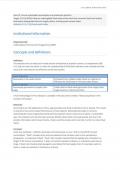
The indicator aims to measure the total amount of food that is wasted in tonnes. It complements SDG 12.3.1(a) on Food Loss (which is under the custodianship of FAO) Both indicators look to divide the food value chain and measure the efficiency of the food system.
This report includes information on the barriers that SMEs face to take part in green public procurement as well as recommendations on addressing the barriers to SMEs' integration in GPP to meet environmental benefits while improving SMEs environmental performance.