

This report analyses bio-based value chains and recommends improvements within the value chain as a support and complement for mangrove restoration and conservation efforts in the Ayeyarwady Delta.
This study demonstrates the value of developing partnerships between the private sector and other actors to ensure that investments in new food value chains are aligned with the global consensus of the urgency to take action to combat climate change and ensure fair incomes for farmers worldwide.
This scoping paper aims to serve as a primer for policymakers and stakeholders seeking to better understand the relationship between biodiversity, trade and trade policy, and identify ways forward.
Pacific Island Countries and Territories (PICTs) have amassed a huge amount of waste, much of it hazardous, including large amount of plastics. These are wastes are washed into the surrounding seas when tropical cyclones and floods occur. Marine litter continually enters the region on ocean currents from stormwater, fishing vessels, cruise ships and container ships.
The aim of this standard is to define requirements to ensure organic status of textiles, from harvesting of the raw materials, through environmentally and socially responsible manufacturing up to labelling in order to provide a credible assurance to the end consumer.
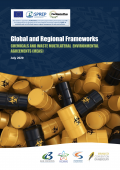
There are none more pressing issues of global sustainable significance than those relating to a country’s management of the disposal of its environmental pollutants including hazardous waste, radioactive materials and other chemicals. To this end, uniting international communities with the specific objective to ensure the safe and sustainable management of waste and pollution control with due regard for the conservation of biodiversity, the health and wellbeing of its inhabitants, along with mitigating climate change concerns, is of the utmost importance.
The Institute for Global Environmental Strategies' COVID-19 position paper 3.0 aims to help policymakers translate support for a healthy planet into actionable recommendations and ambitious policy directions.
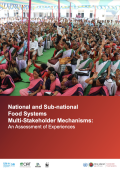
This report analyses national and sub-national MSMs to understand how they contribute to the transition toward sustainable food systems.
The paper focuses policy solutions and best practices to help destinations rebuild and flourish in a dramatically changed policy context for tourism development.
This paper conducts a comparative analysis of national sustainable consumption and production action plans in the Philippines and Viet Nam, drawing upon research to shed light on possible differences in governance styles between the two countries.