

The Impact Management Platform helps practitioners manage their sustainability impacts by explaining how standards and guidance can be used together to enable a complete impact management practice.
This survey explores people’s views on climate change in a rapidly changing world, with results focusing on how people perceive climate change and the actions they expect their country to take to combat it.
A Chemicals Perspective on Designing with Sustainable Plastics: Goals, Considerations and Trade-offs
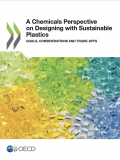
This report provides an integrated approach to sustainable plastic selection from a chemicals perspective, and identifies a set of sustainable design goals, lifecycle considerations and trade-offs.
These three tools created by Climate Watch provide data and information related to Nationally Determined Contributions (NDCs).
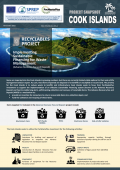
The Advance Recovery Fee and Deposit project aims to create an enabling environment to help improve the collection, management and recycling of waste entering the Cook Islands,
This project aims to educate local communities in Fiji on waste segregation, divert organic waste from dumpsites and process organic waste to support agricultural activities.
Niue looks to introduce a financially sustainable system to enable the long-term collection, management, and export of recyclable and end-of life electronic items.
This case study demonstrates the difficulties of providing water utility services to low-income communities in Dhaka, Bangladesh, and potential policy solutions for providing clean, safe drinking water to slum residents.
This project provides a holistic approach to hazardous waste management through the development of national strategies and regulations to help the country achieve environmental, economic, social and health benefits.
This project looks to reduce waste disposal at the Majuro dumpsite in the Marshall Islands.