
This report presents findings and offers recommendations of an assessment conducted for Tuvalu on the management of healthcare waste and best practice options for its disposal.
This factsheet analyses the scientific basis of climate targets by G20 companies. While there is a strong appetite for decarbonization, setting self-defined emissions reductions targets is not enough.
The study presents an economic analysis of the possible impacts of policy to limit the use of single-use plastics in selected economies of the Caribbean. The study focuses on the economy of Trinidad and Tobago as case analysis and examines the role of single-use plastics in production and distribution in selected value chains and estimates related cost margins in order to assess the potential for substitution of alternatives to single-use plastics.
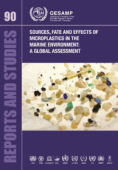
The Joint Group of Experts on the Scientific Aspects of Marine Environmental Protection (GESAMP) assessment provides an improved evidence base to support policy and management decisions on measures that might be adopted to reduce the input of microplastics to the oceans.
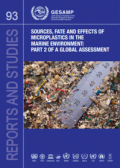
This report provides an update and further assessment of the sources, fate and effects of microplastics in the marine environment.
This Organisation for Economic Co-operation and Development (OECD) research provides the latest data on biodiversity-relevant economic instruments, such as taxes, fees and charges, tradable permits, and environmentally motivated subsidies, providing incentives to producers and consumers to behave in a more environmentally sustainable way
This analysis compares the national recovery and resilience plans of Germany and Italy, two countries that have very different views and priorities on how their allocation of the recovery funds should be spent and invested over the short, medium and long term.

This report finds that only about half of companies and organizations who have set Net Zero targets, have also set concrete milestones to get there. This South Pole report looks at the gap between ambition - in the form of Net Zero and Science-based targets - and concrete climate action.

This report outlines provides a framework and a set of concrete proposals to guide multistakeholder action to ensure nature and the environment are preserved for future generations.
This scoping paper explores the different concepts relevant to discussing negative emissions in an EU policy context.