
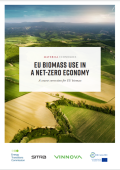
This study looks at biomass use across the EU economy and suggests ways to realize the greatest possible value from biomass resources in a transition to net-zero greenhouse gas emissions by 2050.
In the lead up to the 50th anniversaries of the Stockholm Conference on the Human Environment and the UN Environment Programme, this briefing paper assesses the successes and shortcomings on hazardous waste policies and management efforts.
This report addresses the most up-to-date physical understanding of the climate system and climate change.
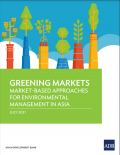
This report reviews past and ongoing applications of market-based instruments to address air quality, water and waste management in Asia, and provides recommendations for the use of more efficient and effective environmental management.
This report is part of a series of World Bank papers that outlines the development challenges and opportunities associated with blue and green biodiversity and ecosystem services.
Online

This online course discusses the importance of climate change and other environmental challenges for central banks and financial supervisors, and the implications for macroeconomic and financial stability. It also examines possible policy responses and emerging practices.
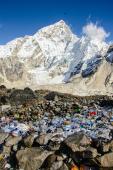
There is a long history of dumping hazardous wastes in the seas, on land and in developing countries. This briefing paper addresses post-consumer waste,
especially e-waste, reopening old questions on how to manage the global waste trade.
This paper focuses on the need to enhance social equity in the green economy, recognizing the role of social policy, regulation, participation and collective action in improving livelihood and production systems that address economic, social and environmental issues.
The report addresses how European and US banks fund the oil and gas industry despite environmental and social risks driving the Amazon over the brink.
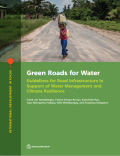
This World Bank report provides strategies to use roads for beneficial water management tailored to diverse landscapes and climates, including watershed areas, semiarid climates, coastal lowlands, mountainous areas and floodplains.