
This paper explores how green budgeting can connect budgets with measurable climate outcomes.
This report examines how circular economy policies can help achieve near-zero emissions in steel production.
This paper explores how we energy transition minerals can be used efficiently and responsibly while supporting the green transition.
This report examines how the EU's circular textiles policies are transforming global value chains, with significant socioeconomic impacts on the textile industries and labour forces in Bangladesh and Ghana.
This report provides insights to help policymakers and stakeholders understand the implications of EU policies on global trade and sustainability in the textile sector.
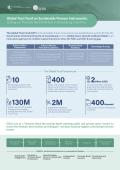
The Global Green Growth Institute's Global Trust Fund on Sustainable Financial Instruments (GTF) aims to accelerate the adoption of sustainable financial instruments, including thematic bonds, to enhance policy frameworks, strengthen green finance ecosystems and build market capacity in developing countries.
This three-pager showcases GTF's achievements to date and provides a...
The report show that investing in climate adaptation, renewable energy and establishing stable regulatory frameworks are key for a climate-resilient economy and achieving carbon neutrality.
This report examines whether current training supply meets the skills needed for the green and AI transitions, highlighting gaps, limited course availability and differences in delivery formats between green and AI training.
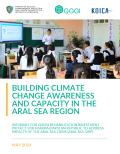
This infobrief compiles information on all the Aral Sea GRIP's awareness-raising and capacity building activities as well as the numbers of people influenced by those activities.
This analysis compiles strategic policy recommendations for decision-makers for a faster and wider transition to climate smart agriculture, sustainable land and forest management approach in the Republic of Karakalpakstan.