
This Barbados National Energy Policy (BNEP) 2017-2037 Document is designed to ensure “Energy security and affordability through diversity and collaboration: Establishing and maintaining a sustainable energy sector for Barbados.”
The key approach used in developing the BNEP was a Multi-Criteria Approach (MCA), where the impacts of the policies chosen were...
The over-arching goal of the Barbados Sustainable Development Policy is to ensure the optimisation of the quality of life for every person by ensuring that economic growth and development does not occur to the detriment of our ecological capital.
Medium Term Development Strategy of Barbados 2010-2014 (MTDS) sets out a broad framework of policies and programmes, which the government will seek to pursue over the period 2010 – 2014. The MTDS gives support to the country’s long-term vision of becoming “A Fully Developed and People-centered Society, through New Development Pathways”...
Since 2008, the Government of Barbados has been forced by the turbulent and inhospitable global economic environment to navigate the Barbadian economy through the most severe and sustained global economic crisis in our history. In response, Government rolled out a Medium-term Development Strategy 2010-2014 and a Medium-term Fiscal Strategy 2010-2014...
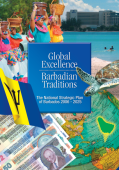
The National Strategic Plan of Barbados 2006–2025: Global Excellence, Barbadian Traditions provides the blueprint for the realisation of Barbados’ vision of becoming a fully developed society that is prosperous, socially just and globally competitive by the end of the first quarter of 20th century.
The Plan set the six strategic goals...
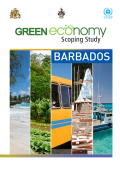
The inclusion of green policy objectives in Barbados can be traced to the National Strategic Plan (2006-2025) and the Budget Speech of 2007. The process was given further impetus in 2009 when the then Prime Minister laid down the challenge of committing Barbados to become the “most environmentally advanced green...



The National Green Growth Roadmap is produced by Cambodia for furthering development to benefit the people and conserve and restore the natural capital base to continue economic growth within the limits posed by the environmental carrying capacity. The Roadmap has been produced through repeated consultations and interviews with all involved...