

This policy brief, How to Better Reflect Transport in Climate Action Efforts, addresses the transport sector, the second-largest emitting sector in the world, and how to streamline it into the climate change policy process.
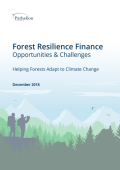
This paper, Forest Resilience Finance Opportunities & Challenges: Helping forests adapt to climate change, is intended to support the climate finance community, consisting of policy makers; multilateral agencies; development finance institutions; and private sector insurance and capital markets, in understanding the value that forests create; what risks forests face; how climate change will impact these risks and lastly, the role of traditional and innovative climate finance solutions to address the values at risk.
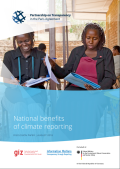
The discussion paper, National Benefits of Climate Reporting, intends to highlight benefits that a country can obtain through transparent and ambitious climate reporting and a robust and self-sustained Measurement, Reporting and Verification (MRV) system, which go beyond the obvious benefit of fulfilling current and future reporting requirements under the UNFCCC. By highlighting the national benefits that are less visible at first glance, the discussion paper seeks to enhance the understanding of policy-makers and other stakeholders as to why transparency and MRV for climate reporting has merits of its own, and how countries may tap such national benefits. To this end, the discussion paper identifies and describes a number of such national benefits and provides concrete experiences and examples from various countries.
This article, Role of Regional Carbon Markets in Article 6.2 of Paris Agreement, covers a high-level analysis of the role of regional carbon markets in the emerging draft text on Article 6.2 of the Paris Agreement.
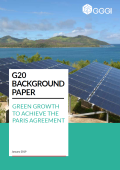
This report focuses on the challenges and opportunities faced by developing countries that are related to the Paris Agreement. It reviews the experience of the Global Green Growth Institute's (GGGI's) member countries in the development of national green growth plans, NDC action plans and roadmaps, and the low-emission development strategy for a small island developing nation. It then evaluates experience related to the implementation and financing of such green growth plans in a number of high-priority areas, including the renewable energy transition, electrification of transportation, green buildings and infrastructure, and green employment.