

The Sustainability Bond Guidelines are part of a leading framework globally for the issuance of sustainable bonds. They outline best practices when issuing bonds serving social and/or environmental purposes and promote transparency and disclosure.
The national forest monitoring system (NFMS) assessment tool has been developed under the project “Building global capacity to increase transparency in the forest sector (CBIT-Forest)” implemented by Food and Agriculture Organization of the United Nations (FAO) and funded by the Capacity-Building Initiative for Transparency (CBIT) trust fund of the Global Environment Facility (GEF).
Does investing in nature actually deliver on development at the local level? This report provides insights into the types of direct, site-based interventions that can help or hinder the achievement of development outcomes for local people and, ultimately, the delivery of the post-2020 Global Biodiversity Framework and Sustainable Development Goals.
This paper analyses the crucial interlinkage of ocean and coastal and marine Nature-based Solutions (NbS) as part of the GST.
This International Energy Agency report addresses the challenge of mobilizing investment and finance to support clean energy transitions in the emerging and developing world. It draws on a wide range of case studies and recommendations for priority actions to get the investment tap flowing to vast under-served areas.
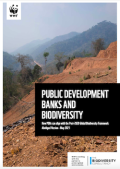
This study captures the critical role that public development banks can play in financing biodiversity conservation and helping to shift private financial flows towards sustainability.

This paper on Green Bond Principles offers guidance on transparency and disclosure in the development of the green bond market. It recommends a clear process and disclosure for issuers, which investors, banks, underwriters, arrangers, placement agents and others may use to understand the characteristics of any given green bond.
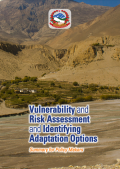
The Government of Nepal (GoN) recognizes the importance of Vulnerability and Risk assessment (VRA) in adaptation planning and implementation. The main goal of this assessment is to help Nepal’s National Adaptation Plan (NAP) process assess climate-related hazards, vulnerabilities, and risks, as well as identify practical adaptation options at the municipal, sectoral, and provincial levels.
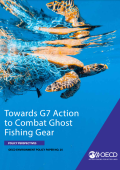
The economic impacts of ghost gear include the forgone catch of target fisheries, risks to navigational safety, delays to shipping and impacts on coastal tourism. Not only does ghost fishing gear continue to capture target species, but it can capture threatened and endangered species too, as well as destroy habitats.
The ocean, which regulates climate and supports vital ecosystem services, is crucial to our Earth system and livelihoods. Yet, it is threatened by anthropogenic pressures and climate change.