
Among the identified pathways in the 2018 IPCC report for keeping warming below either 2.0°C or 1.5°C, almost all require the deployment of still speculative carbon removal and storage methods. However, most carbon removal methods remain at the preliminary research and assessment stage, with a great deal of uncertainty over their technical feasibility, social acceptability, cost, and associated impacts. In addition, some argue that the reliance on unproven carbon removal methods to fulfill climate policy goals creates a false sense of complacency about the need for an immediate and aggressive transition away from fossil fuels. This report looks at why the entire field of carbon removal needs additional scrutiny and how to build a better carbon removal conversation.
This report provides an account of the multiple values of nature associated with socio-ecological production landscapes and seascapes (SEPLS). It presents a series of in-depth case studies from Latin America, Africa, Asia, and Europe, which highlight the dilemmas between conservation and development as well as discuss the development and monitoring of community-based projects. The case studies also explore how different values of nature influence the decisions and actions of different stakeholders and how this affects the use and distribution of nature’s contributions to people.
This report critically assesses how peacebuilding programming can also produce adaptation benefits (and vice versa), so that interventions simultaneously contribute to reduced intercommunal conflict and strengthened resilience to a range of shocks and stresses, including droughts, floods, and rainfall variability.
The integration of biodiversity and sustainable landscapes objectives and considerations has the potential to increase the sustainability of programming, amplify results, and save costs. However, at other times, separate activities may make more sense in contexts where programmatic goals and requirements are not a natural fit. This document explores both the benefits and potential challenges of integrating biodiversity and sustainable landscapes objectives to help project staff make informed choices about whether and how to integrate.
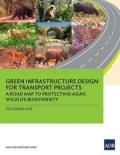
This report discusses the impacts of transport projects on wildlife and biodiversity in Asia, and how to address them by integrating road ecology principles and green infrastructure measures—from environmentally sensitive road design to animal passage structures and management guidelines—to reduce transport project impacts on wildlife.
This Paper proposes a method whereby any decision-maker can calculate the cost required to deliver sustainable water management to a geography. It calculates the cost of action required to close the gap between current conditions and desired conditions to financially compare and prioritize different water-related challenges or different targets of Sustainable Development Goal 6. The paper also estimates the costs of delivering sustainable water management for all countries and major basins.
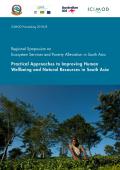
A ‘Regional Symposium on Ecosystem Services for Poverty Alleviation’ was held on 13–14 March 2018 in Kathmandu. The symposium highlighted the critical role of ecosystem interactions across spatial scales in delivering services, particularly to the poor who are highly dependent on natural resources. It further showcased potential ecosystem services governance pathways to achieving wellbeing for the poorest, and environmental sustainability through research and knowledge programmes in South Asia.
This policy brief explores how integrated ecosystem-based management in marine areas beyond national jurisdiction can be advanced at the regional level and how the BBNJ Agreement (“international legally binding instrument for the conservation and sustainable use of marine biodiversity in areas beyond national jurisdiction") can build on experiences in other legally binding agreements to strengthen regional cooperation, coordination and coherence.
The EU Environmental Reporting Handbook evaluates company disclosure in line with the Non-Financial Reporting Directive
Growth in developing Asia is moderating but remains robust. As global trade slows and investment weakens, regional growth forecasts are trimmed from Asian Development Outlook 2019 by 0.3 percentage points for 2019 and by 0.1 points for 2020 compared to April forecasts. Developing Asia is also urbanising rapidly, promising job creation and economic growth. As cities expand over municipal boundaries and become more connected with one another through flows of goods, services, and people, better planning coordination is needed at all levels of government. Realising their promise requires a holistic agenda for cities.