
Reflecting on the past 10 years of tracking global climate finance flows, the report presents key observations on climate finance and concludes with key actions to rapidly scale climate finance to the trillions.
This report maps out current Article 6 capacity building needs and ways to address them, analysing the future of programmatic approaches under the Paris Agreement and how transformational change be promoted through Article 6 cooperation.
The report examines the current state of countries' progress to halt climate change and provides an overview of the difference between where GHG emissions are currently predicted to be in 2030 and where they should be to avert the worst impacts of climate change.
The report provides a comprehensive assessment of the global gap in climate action across the world’s highest-emitting systems.
This document considers the complex conditions that pose significant challenges to tackling high inflation and the cost-of-living crisis in the region, and offers policy recommendations for advancing towards a renewed model for inclusive and sustainable growth.
This IIED policy brief focuses on the Glasgow-Sharm El Sheik work programme at COP26 and its commitment to operationalize the Global Goal on Adaptation and how to integrate the voices of civil society organizations (CSOs).
This report analyses the food and agriculture-related SDG indicators, tracking the 2030 Agenda's objectives to eliminate hunger and food insecurity as well as ensuring sustainable agriculture. It focuses remains on eight SDGs, no poverty and zero hunger, among others.
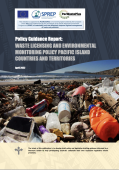
This report presents the findings of a literature review which will be translated into drafting guidance that will allow each individual Pacific Island country to undertake their own respective legislative reform processes.
The tool, developed by FAO, is a multi-appraisal system that evaluates the environmental and socio-economic performance of agrifood value chains.
This report aims to serve as a reference document on NDC content and how it has evolved since the Paris Agreement entered into force, to inform the global stocktake and the Glasgow work programmes on mitigation ambition and adaptation, and to shape subsequent NDCs.