
Nature-Based Solutions in Latin America and the Caribbean: Regional Status and Priorities for Growth
This paper discusses how nature-based solutions can contribute to equitable and sustainable development across the region and provide benefits to multiple sectors and societal challenges.
This guide is for banks interested in increasing the sustainable use of resources, such as energy, waste, water and raw materials, and building a circular economy.
This case study demonstrates the implementation of several interconnected activities to improve long-term management of healthcare waste in Timor Leste.
This assessment focused on the effects of interventions in Uzbekistan involving the use and consumption of target fruits, as well as of their marketing value, to improve household food security and well-being.

This case study analyses how Samoa is using allocated PacWastePlus investment to design and implement an e-waste take-back system to reduce pollution, as well as its resulting environmental and health impacts.
Economic growth in many countries has up to now been based on the linear economic “take-make-dispose” model. This has led to a tremendous increase in worldwide extraction of material resources (biomass, fossil fuels, metals, and non-metallic minerals) in recent decades. In 2017, more than half of the global material resource...
This report assesses how companies are progressing on climate action commitments they have made through the Climate Collaborative and summarizes the results of the Tracking Progress Survey.
This paper shows that the Government of Ghana has an opportunity, despite the COVID-19 pandemic, to implement a green recovery through its economic revitalization programme.
The research presented in this study is aimed to identify best practices on adopting, implementing and enforcing energy efficiency standards and energy efficiency technologies for the building sector in the UNECE region.
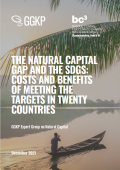
This report provides estimates of the financial costs and benefits of meeting selected targets of the SDGs linked to natural capital in twenty countries.