

On 23 May 2022, Innovate4Climate is holding an online event for its Young Climate Innovators Program. The registration deadline is 18 April.
TO

On 11-13 May 2022, ICLEI is hosting a summit in Malmö, Sweden, which will focus on sustainable finance and innovation.
The primary goal of the Resource Efficient and Cleaner Production Centre (RECP Centre) is contributing to the green modernization of the industry through the introduction of a resource efficient and cleaner production concept (RECP) on different levels, including enhancing the resource productivity, competitiveness and environmental performance of companies in Ukraine and abroad.
TO
On 4-5 April, UNEP will host this online event to engage stakeholders in the region on innovative sustainable development implementation.
This disaster resilience strategy describes the macroeconomic, structural and social policies being pursued by Grenada to build resilience against natural disasters and the associated financing needs.
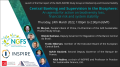
On 24 March, this webinar will bring together a high-profile panel of international central banks and supervisors to discuss the implications of biodiversity loss for their operations.

On Wednesday, 16 March at 4PM WIB (10AM CET), IISD's Global Subsidies Initiative will host Fossil Fuel Subsidy Reform at the G20: How to achieve the post-pandemic recovery.
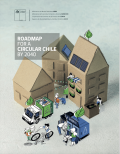
This roadmap sets out a plan for a Chilean transition to a circular economy over the next two decades to a 2040 target, with seven long-term goals supported by action in four sectors: innovation, culture, regulation and territories.
On 17 March 2022 (12:00-13:00 CMT), UNEP and the Trade, Development and the Environment Hub (GCRF TRADE Hub) are hosting the briefing WTO initiatives on environment & sustainable development: Windows of opportunity for biodiversity.
TO

On 14-25 March 2022, UN Women is hosting the sixty-sixth session of the Commission on the Status of Women under the theme 'Achieving gender equality and the empowerment of all women and girls in the context of climate change, environmental and disaster risk reduction policies and programmes'