
The CAPMF aims to fill the gaps in the measurement of the adoption and stringency of countries’ climate actions and policies, notably in a manner coherent across countries, time, sectors and instrument types.
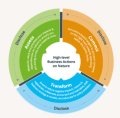
ACT-D guides businesses in assessing their relationships with nature, committing to action and target setting, transforming their practices and disclosing nature-related information.
This reports aims to help real-economy companies understand and navigate the growing expectations from financial institutions that are aligning their investment and finance strategies with net zero.

Sand plays a strategic role in delivering ecosystem services, vital infrastructure for economic development, providing livelihoods within communities and maintaining biodiversity. It is linked to all 17 Sustainable Development Goals (SDGs) either directly or indirectly. Despite the strategic importance of sand, its extraction, sourcing, use, and management remain largely ungoverned in many regions of the world, leading to numerous environmental and social consequences that have been largely overlooked.
This document provides countries with guidance on the establishment of inventories of hexabromocyclododecane (HBCD).
This document provides guidance on monitoring industrial and unintentional persistent organic pollutants in products in use and in recycling streams for POPs listed from 2009 to 2019.
This document provides a general introduction to the inventory approach used in the detailed inventory guidance to assist countries in making inventories for certain persistent organic pollutants.
The document was developed to provide guidance to countries and assist them in the process of developing a National Implementation Plan.
This document help guide countries in the process of reviewing and updating national implementation plans for the Stockholm Convention on Persistent Organic Pollutants, and assist parties in complying with their obligations under Article 7 of the Stockholm Convention.
These guidelines provide guidance to ECE member states and other interested countries to help make monitoring a practical tool for environmental policy.